IFMIF-DONES hosts a workshop on the potential of quantum computing applied to fusion

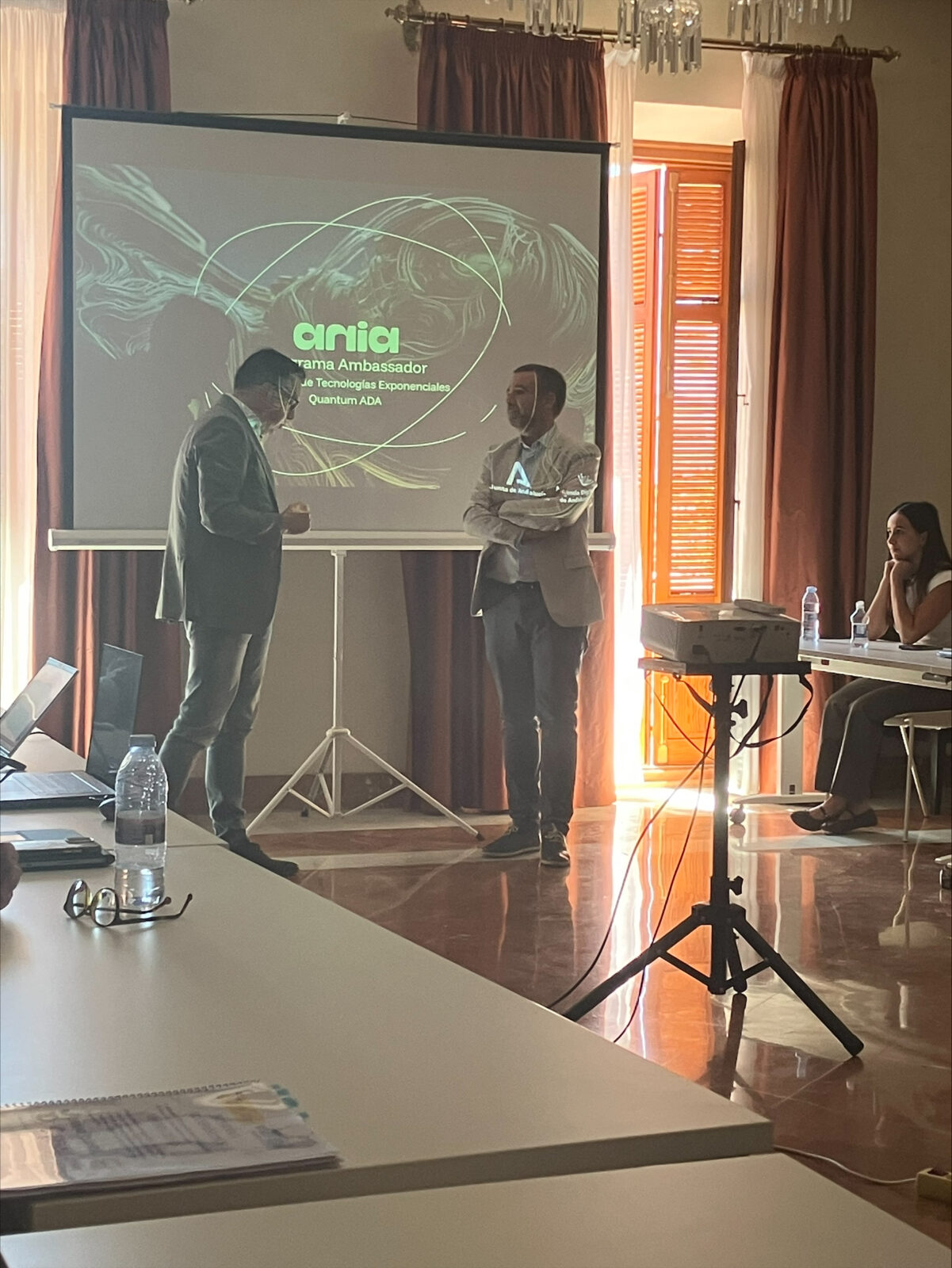
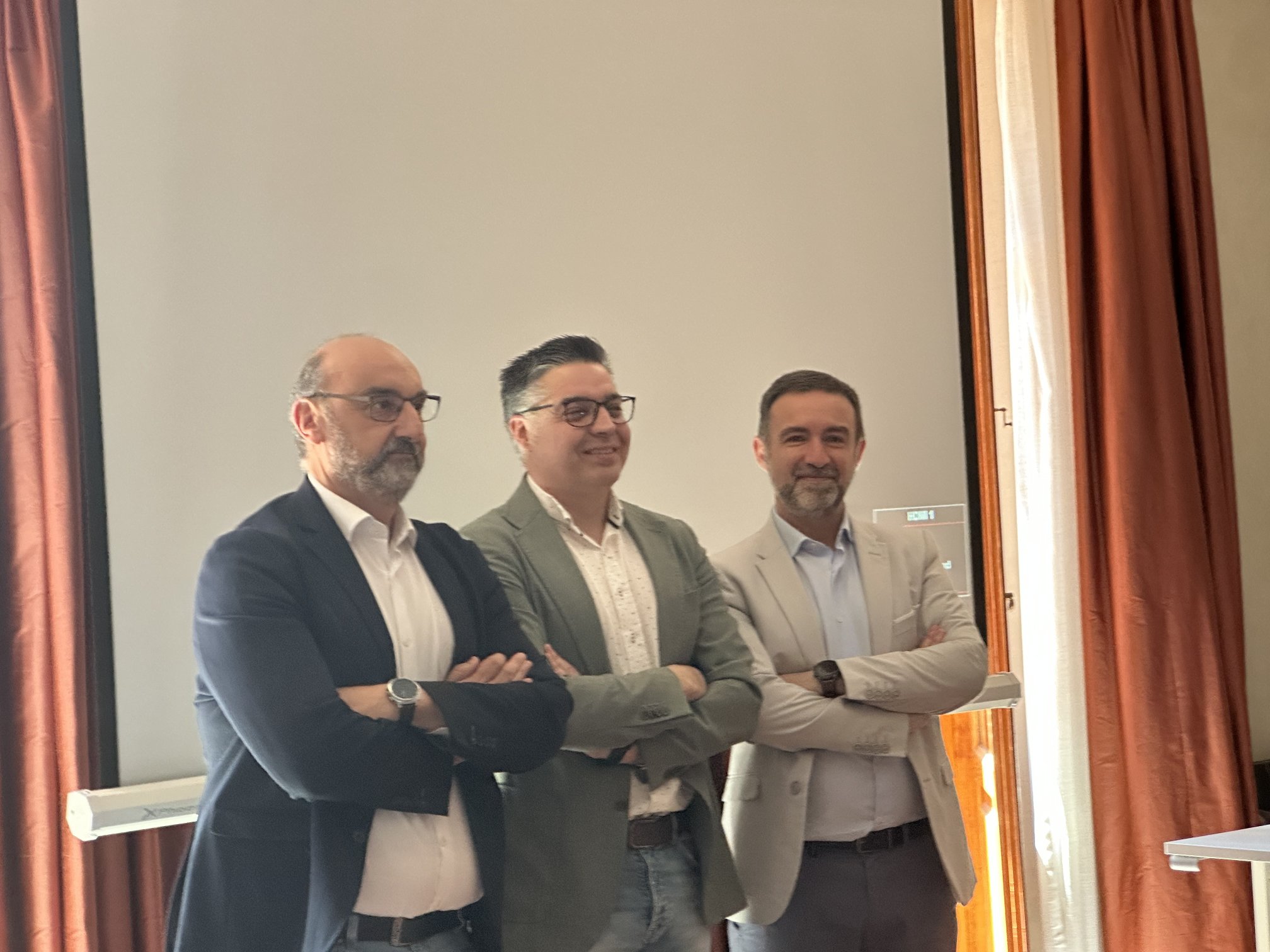
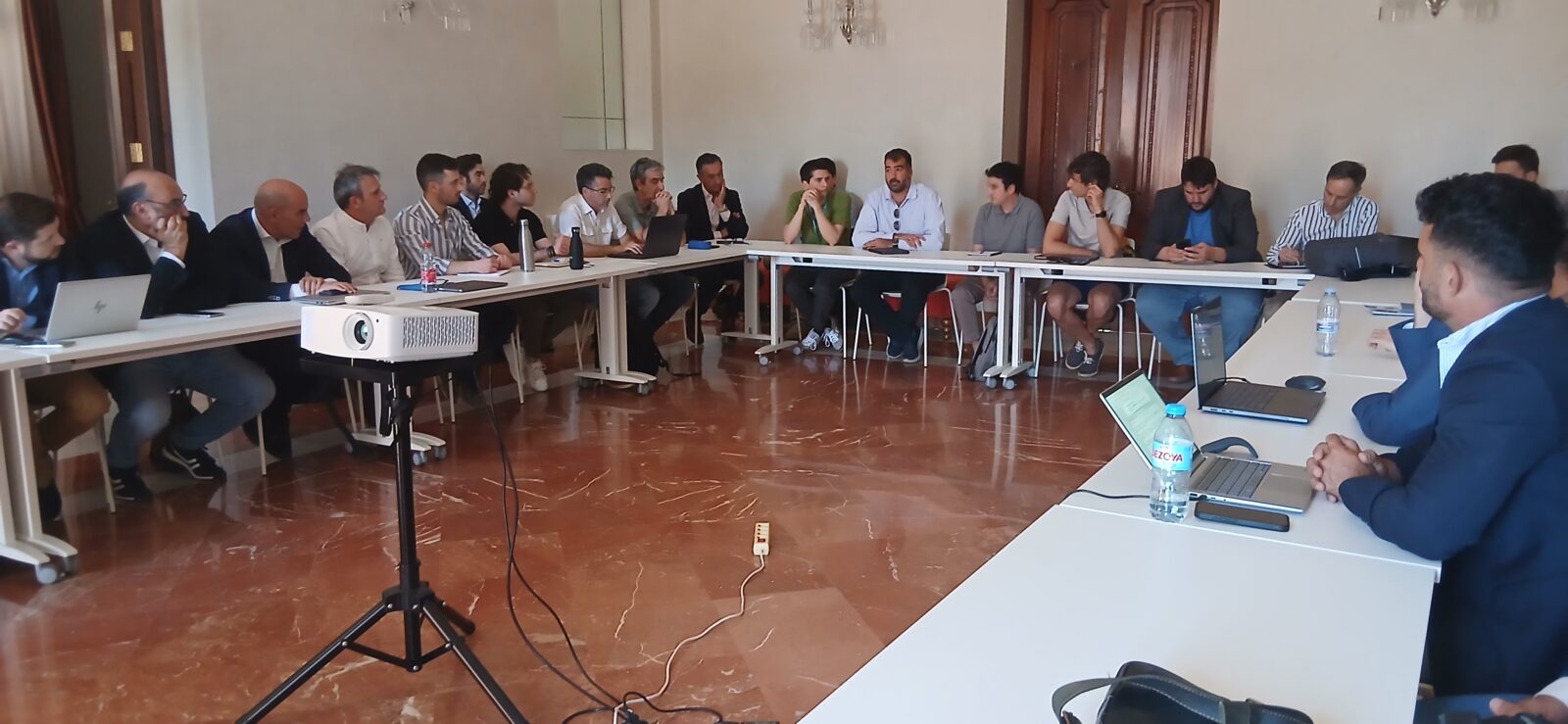
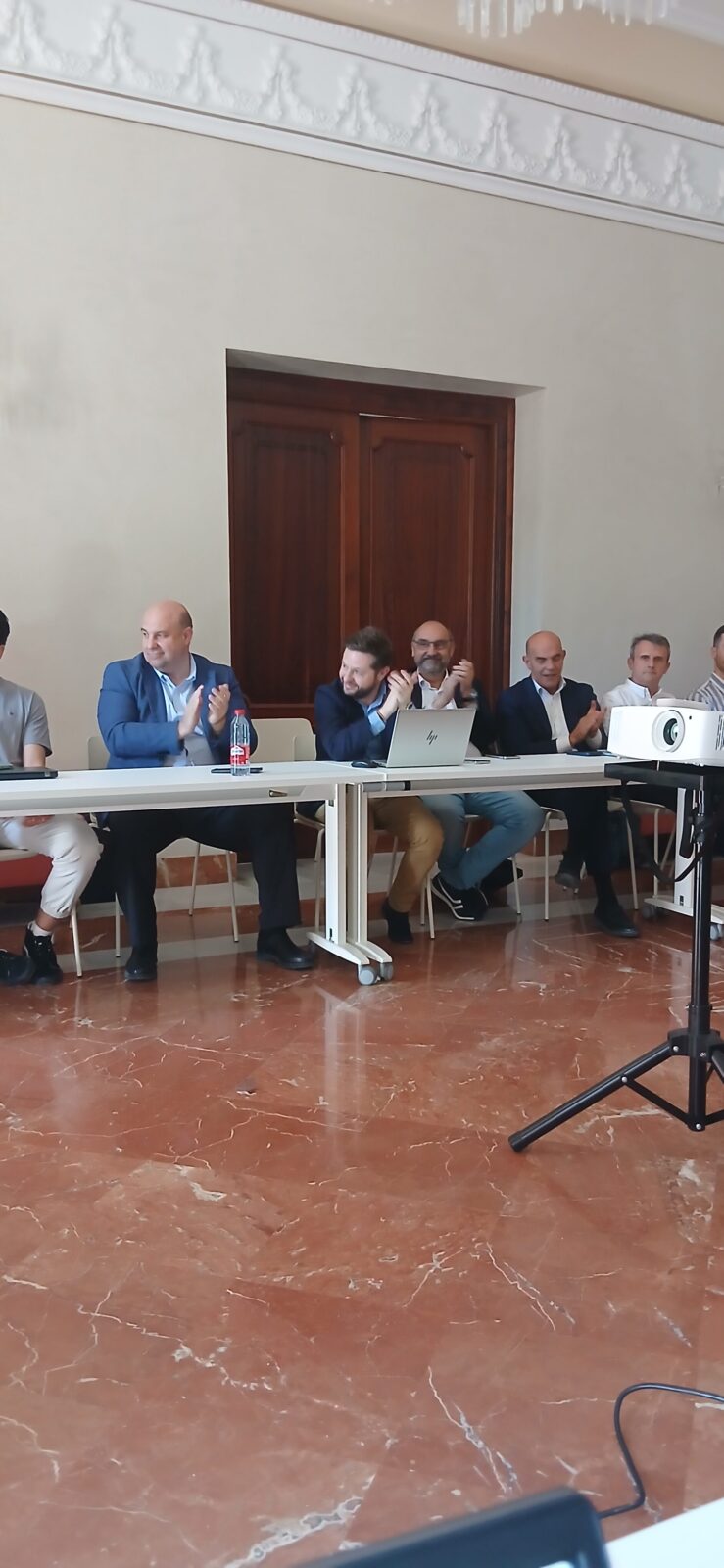
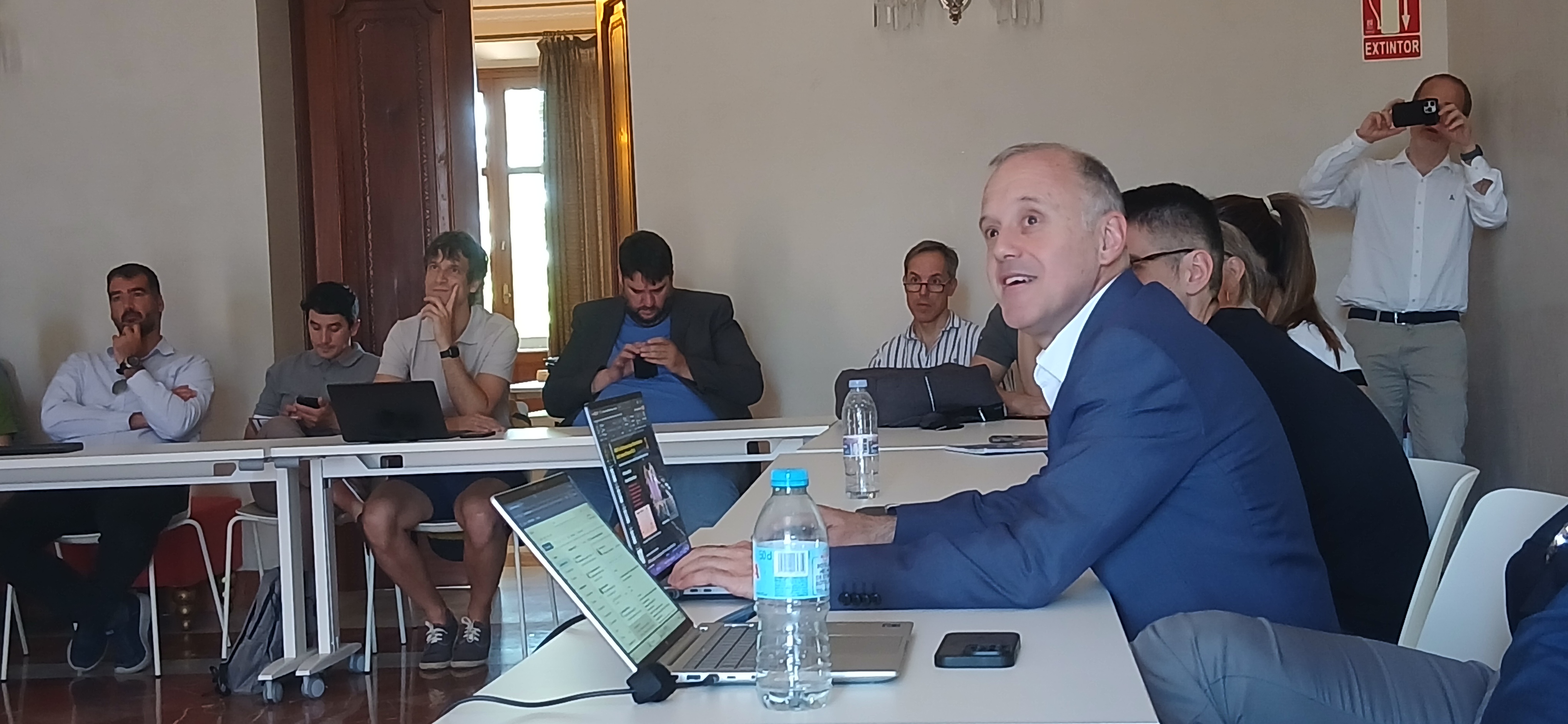
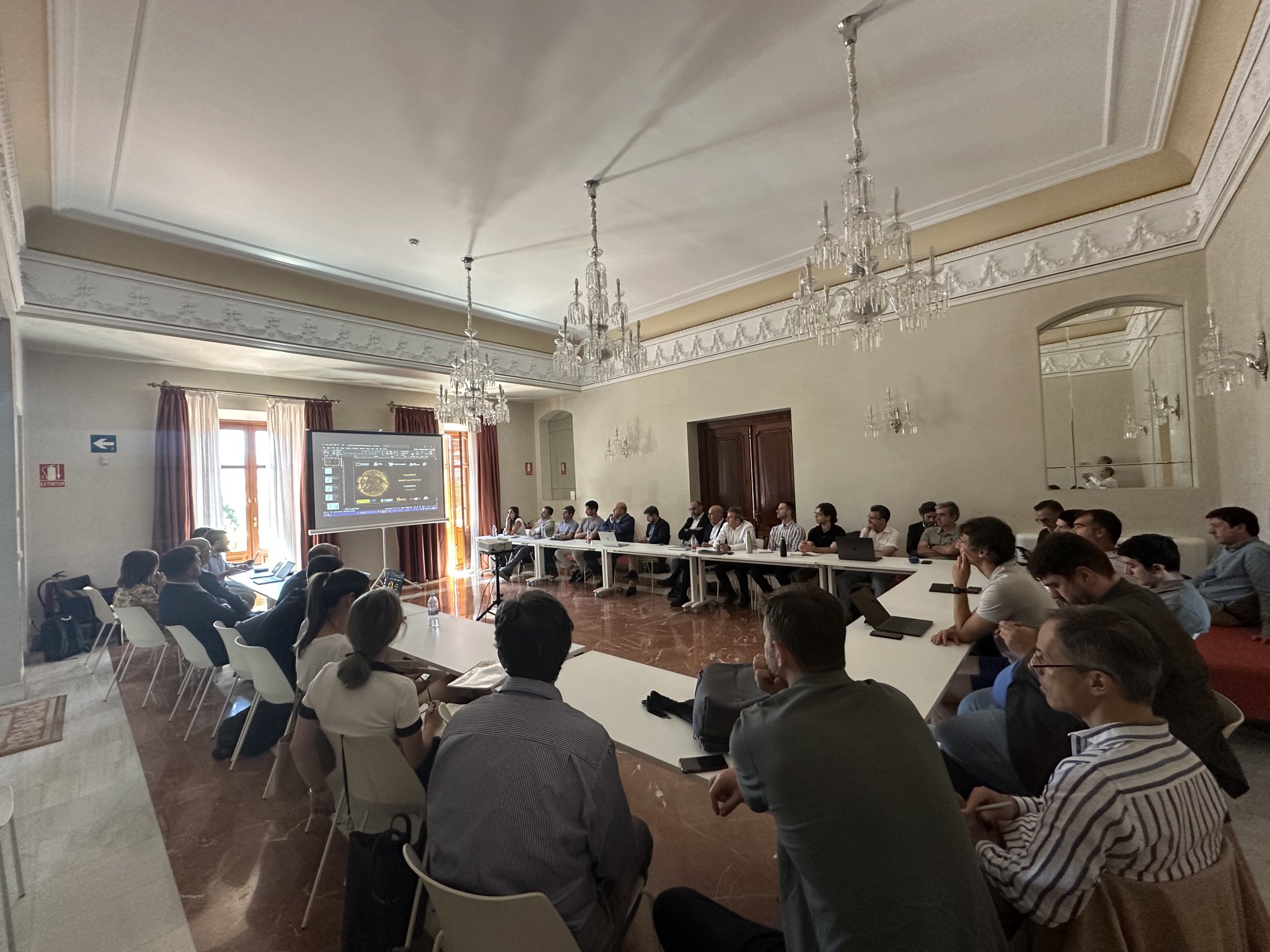
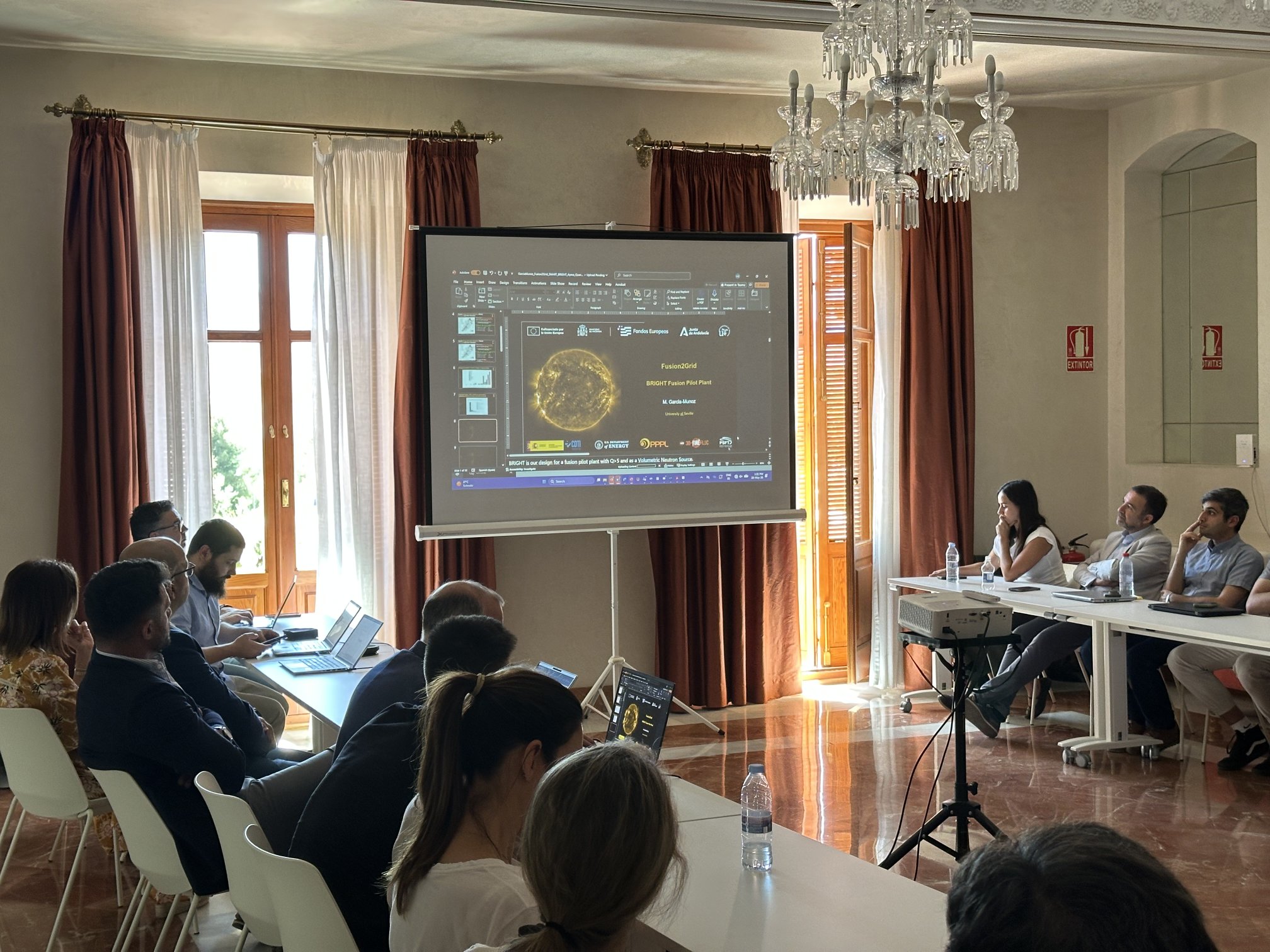
On 28 May 2026, a workshop dedicated to exploring the potential of quantum technologies in the field of fusion energy was held in Granada. The event was organised by the Agencia Digital de Andalucía (ADA), IBM and Ayesa. IFMIF-DONES was pleased to host the meeting at the Palacio de Quinta Alegre, providing an ideal setting for knowledge exchange between experts in digital technologies and the research community.
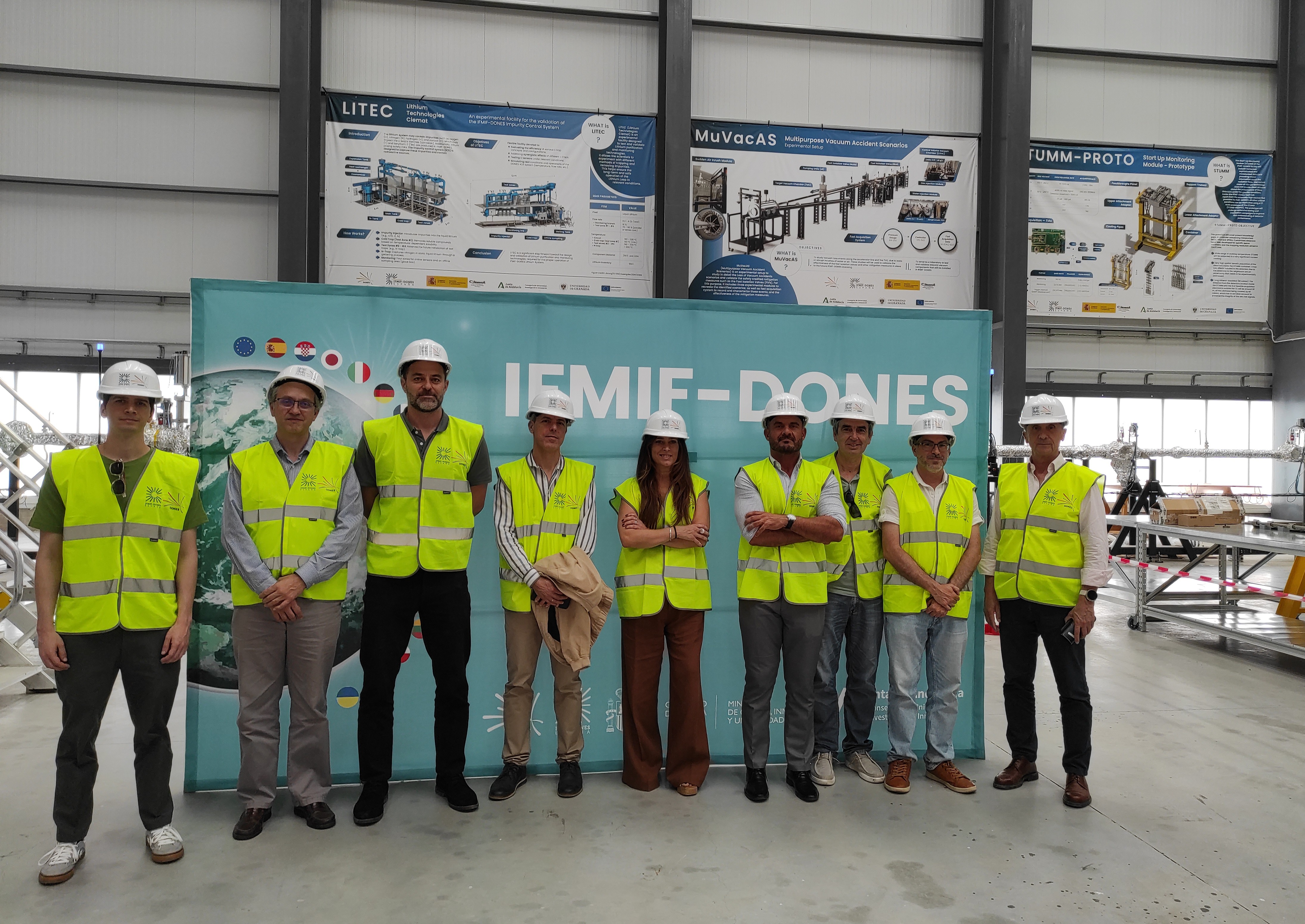
The workshop brought together specialists from different fields to analyse how quantum computing could help address some of the major scientific and technological challenges faced by fusion infrastructures. Following the working sessions, participants visited the IFMIF-DONES facilities in Escúzar, where they gained first-hand insight into the current status of the project and its key technical challenges.
Throughout the event, it became clear that, although still in a progressive stage of maturity, quantum computing holds significant promise for accelerating the solution of highly complex problems that are characteristic of infrastructures such as IFMIF-DONES. In particular, several use cases were identified where these technologies could provide substantial advantages over classical computing approaches.
Among the most relevant applications discussed were:
- Neutronics simulations using realistic plant models, essential for optimising material behaviour under irradiation.
- Highly intensive thermo-mechanical calculations required for the design and validation of components operating under extreme conditions.
- Advanced seismic analyses based on complex modelling requiring significant computational resources.
- The development of models related to the concept of a Digital Twin, enabling a comprehensive and dynamic virtual representation of the facility.
- Near real-time simulations, supporting decision-making processes on operational parameters and emerging technologies.
In this context, quantum computing is emerging as a transformative tool that could reshape how these challenges are addressed. Its ability to efficiently explore vast solution spaces opens up new approaches to optimisation, modelling and simulation. In fusion research, this could lead to improvements in reactor design, more accurate prediction of advanced material behaviour, and enhanced optimisation of complex multi-scale processes.
Furthermore, in the field of particle accelerators—a core component of IFMIF-DONES—quantum technologies may contribute to optimising beam control, improving the precision of physical models, and accelerating the development of new experimental configurations. This highlights the importance of fostering synergies between the digital innovation ecosystem and large-scale research infrastructures.
The workshop has helped identify potential areas for future collaboration and has reinforced the positioning of IFMIF-DONES as an open infrastructure committed to integrating disruptive technologies. The convergence between fusion energy and quantum computing represents a strategic opportunity to advance towards sustainable, high-impact scientific and industrial solutions.