The visit of Hospital Universitario Clínico San Cecilio to IFMIF-DONES opens new pathways for collaboration between science and healthcare innovation in Granada
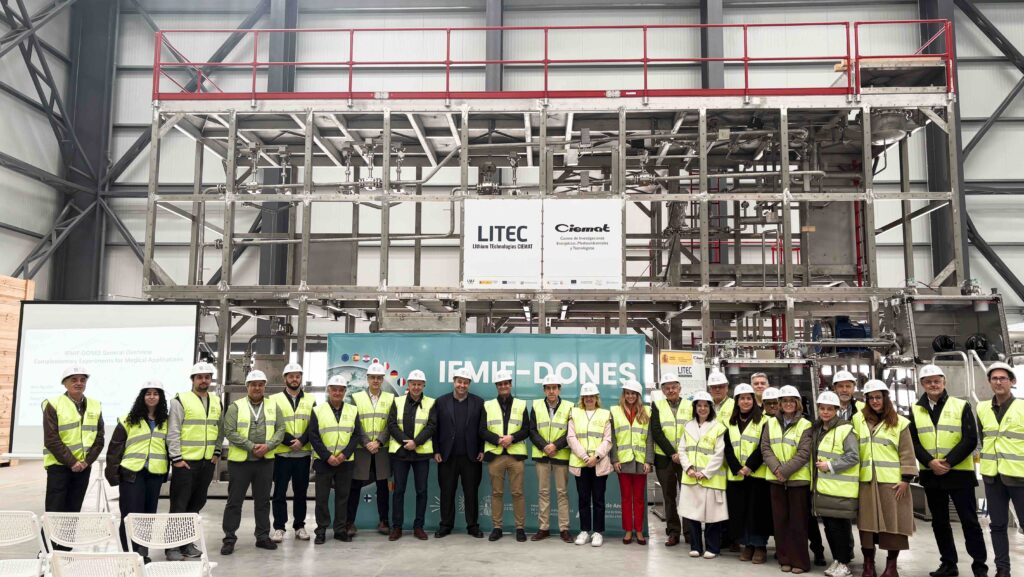
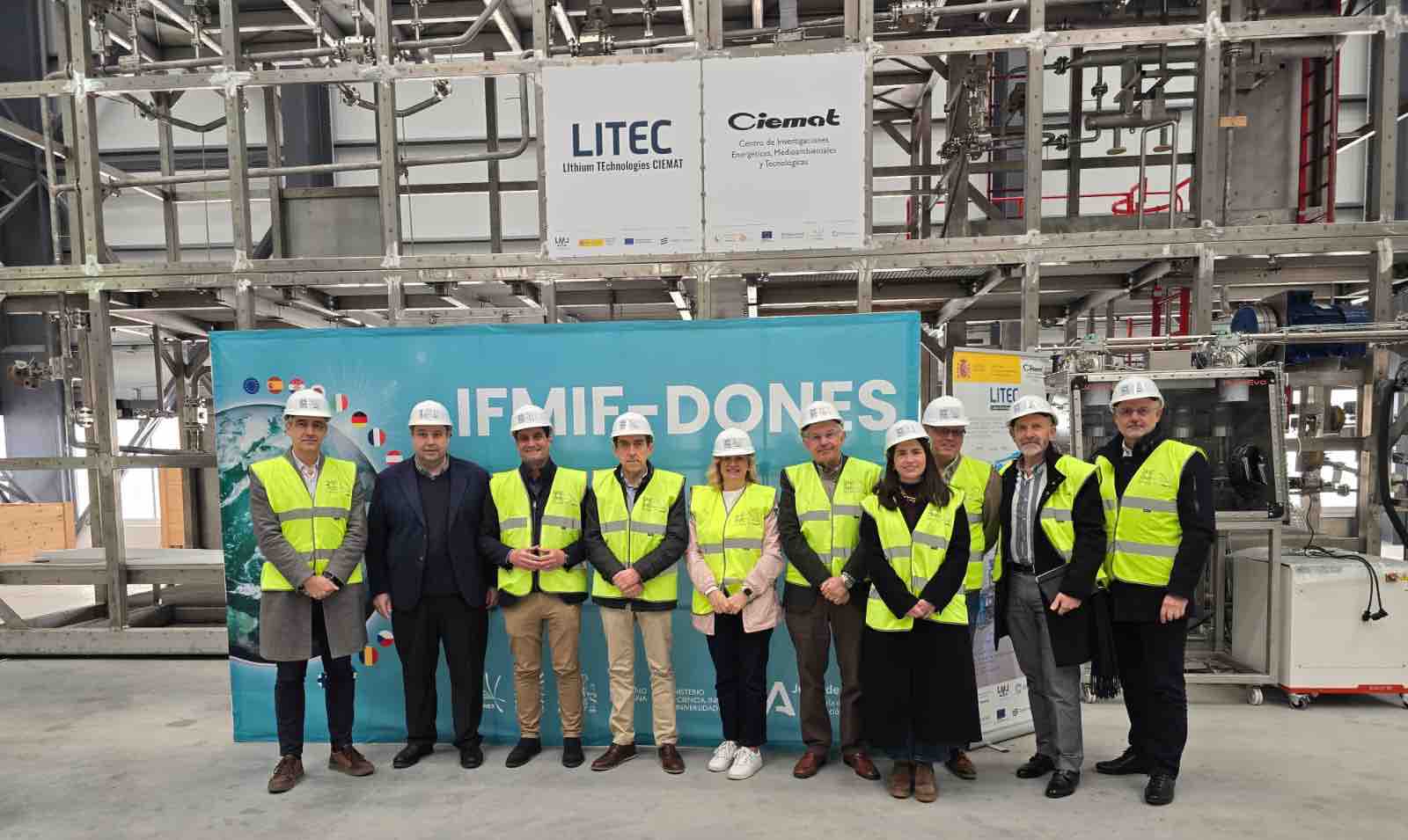
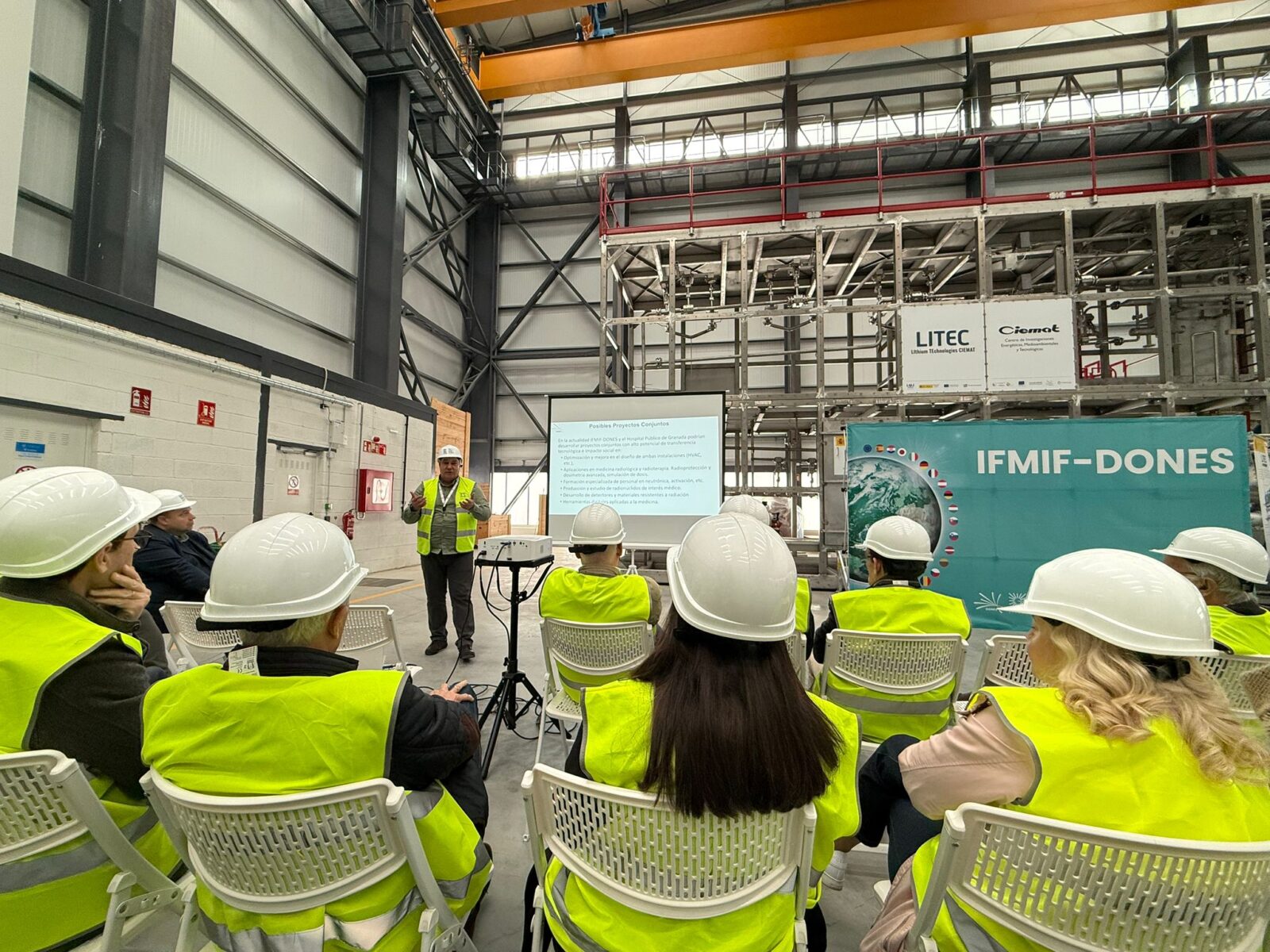
The recent visit of the management team from Hospital Universitario Clínico San Cecilio of Granada to the IFMIF-DONES facilities marks a significant milestone in strengthening ties between the healthcare sector and one of the most relevant international scientific and technological infrastructures. The meeting provided an opportunity to share visions, capabilities, and common challenges, laying the groundwork for future strategic collaborations with a clear impact on innovation, healthcare, and technological development.
During the visit, the considerable potential for synergies between both institutions became evident. One example is the optimization and improvement of complex large-scale facility design. The extensive experience accumulated by both organizations in plant systems, advanced HVAC solutions, energy efficiency, and high-demand technical environments could be transferred to the design and enhancement of hospital infrastructure, contributing to safer, more efficient, and more sustainable healthcare facilities.
Another key area addressed was radiological medicine and radiotherapy. Developments in radiation protection, advanced dosimetry, and dose simulation that could be carried out within the IFMIF-DONES environment present clear opportunities to improve clinical procedures, enhance safety for patients and professionals, and advance the personalization of oncological treatments.
The visit also explored opportunities for specialized training of healthcare and technical personnel in highly specialized fields such as neutron science, material activation, and radiation–matter interaction. This exchange of knowledge between scientists, engineers, and healthcare professionals would foster the development of hybrid profiles that are essential for the future of medicine.
In addition, the meeting identified potential future collaboration lines in the production and study of medical radionuclides, a strategic field for diagnosis and therapy. The unique capabilities of IFMIF-DONES could complement the needs of the Andalusian and Spanish healthcare systems, strengthening technological sovereignty and innovation capacity in the health sector.