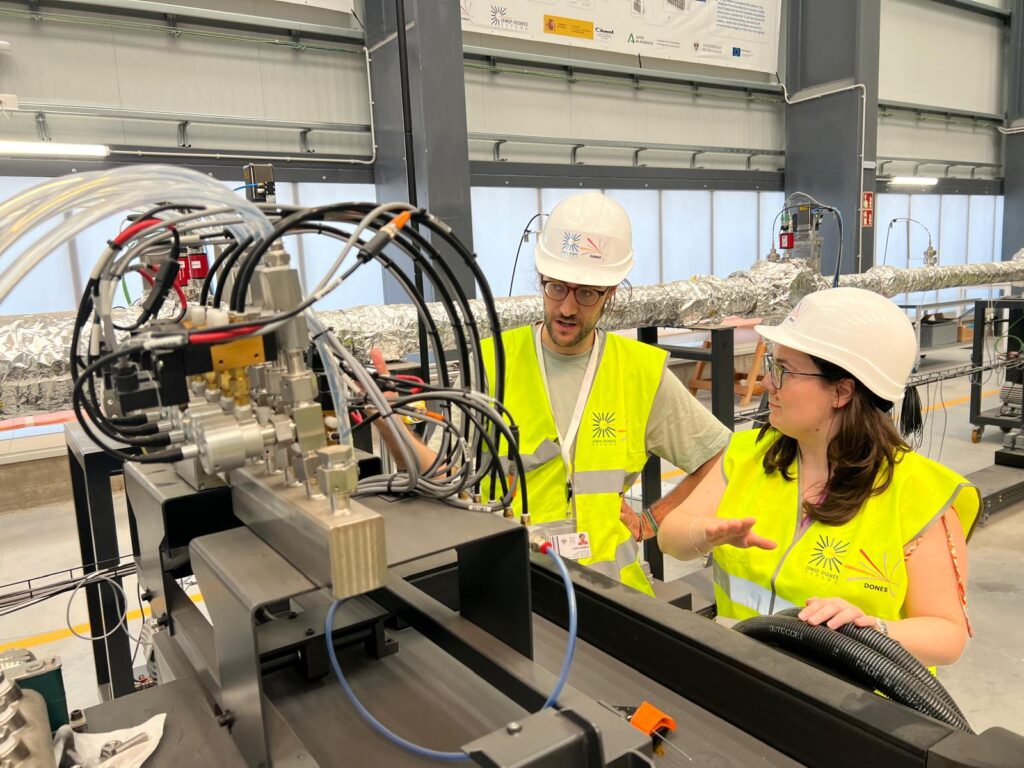
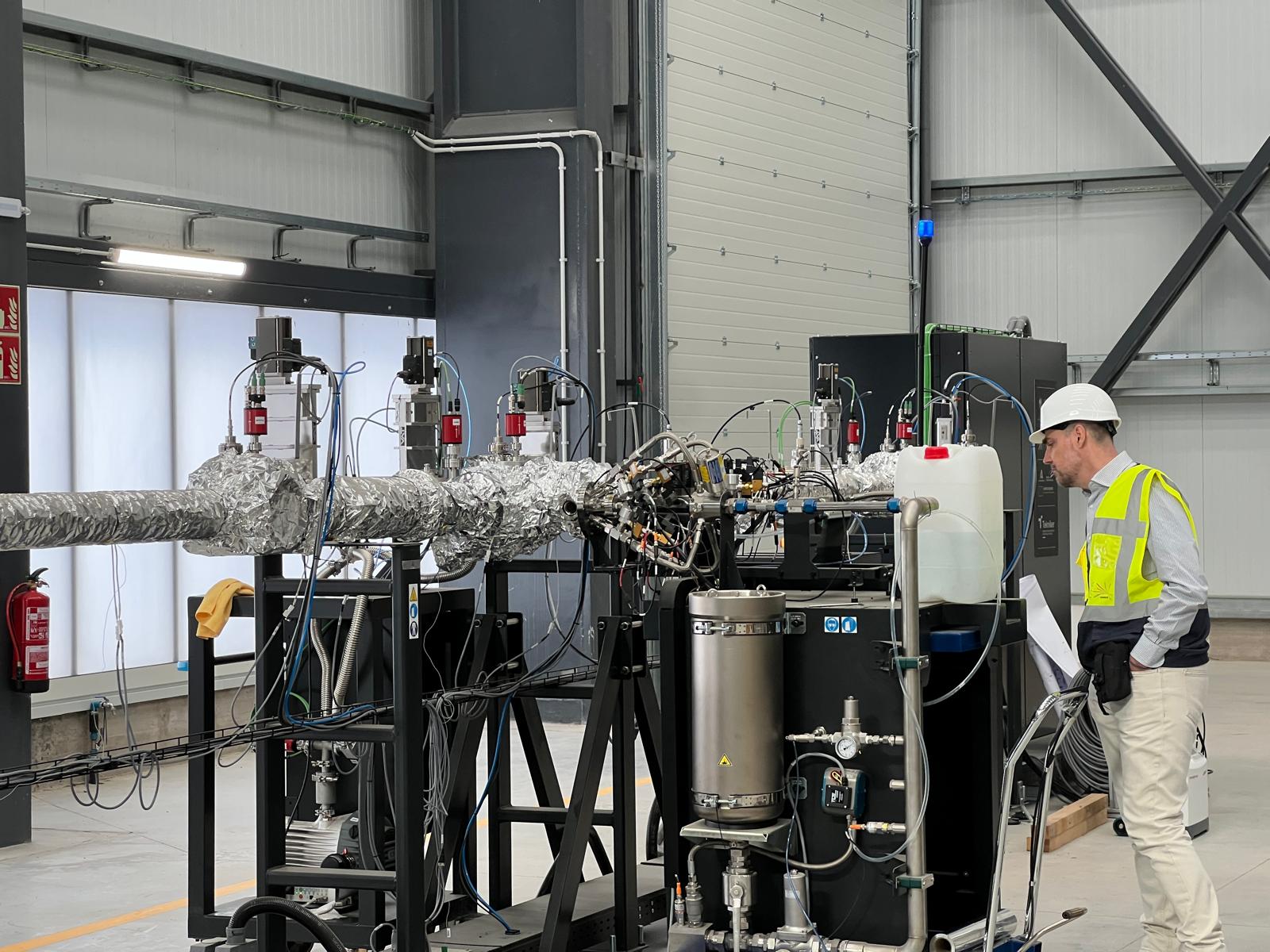
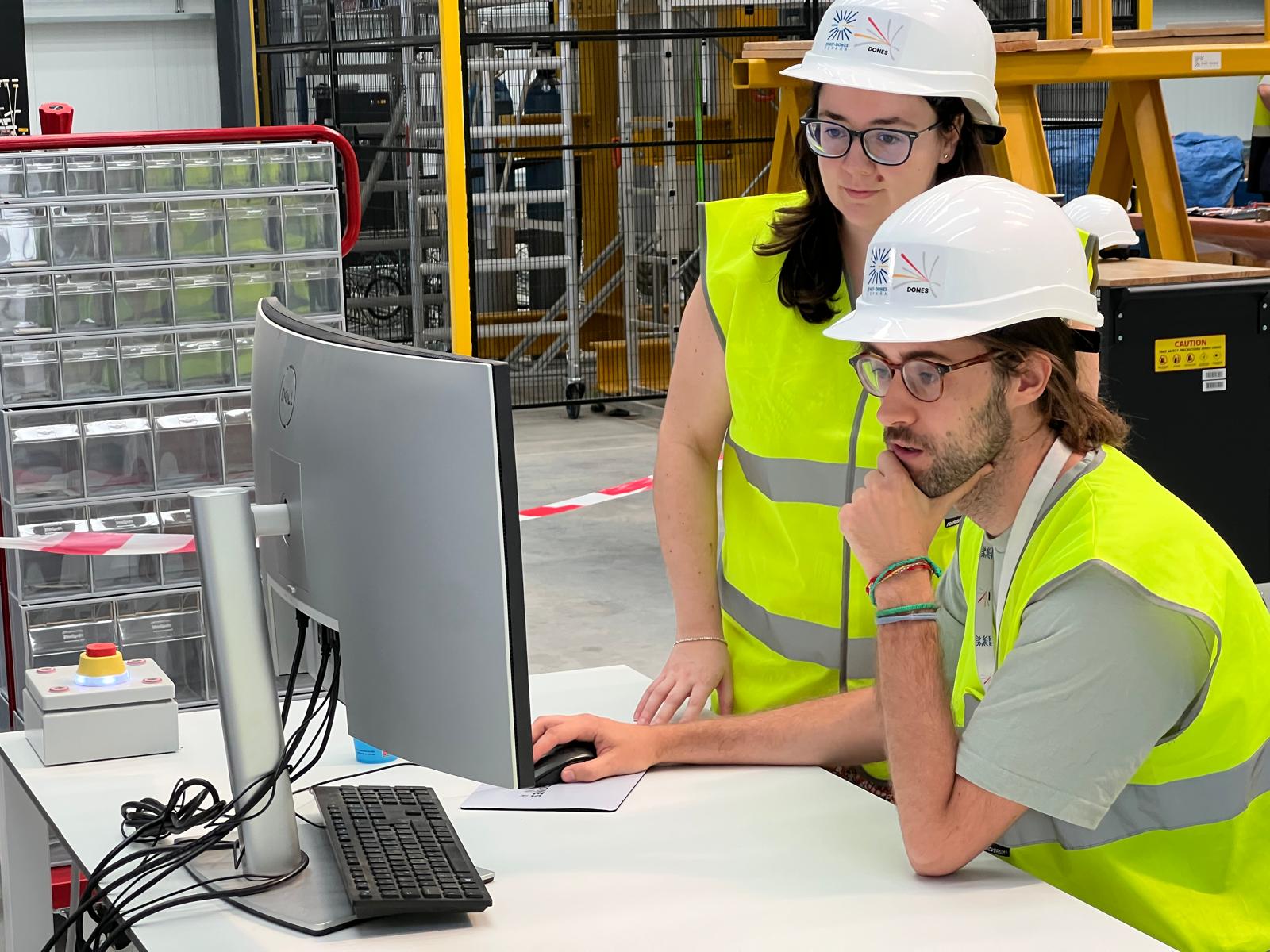
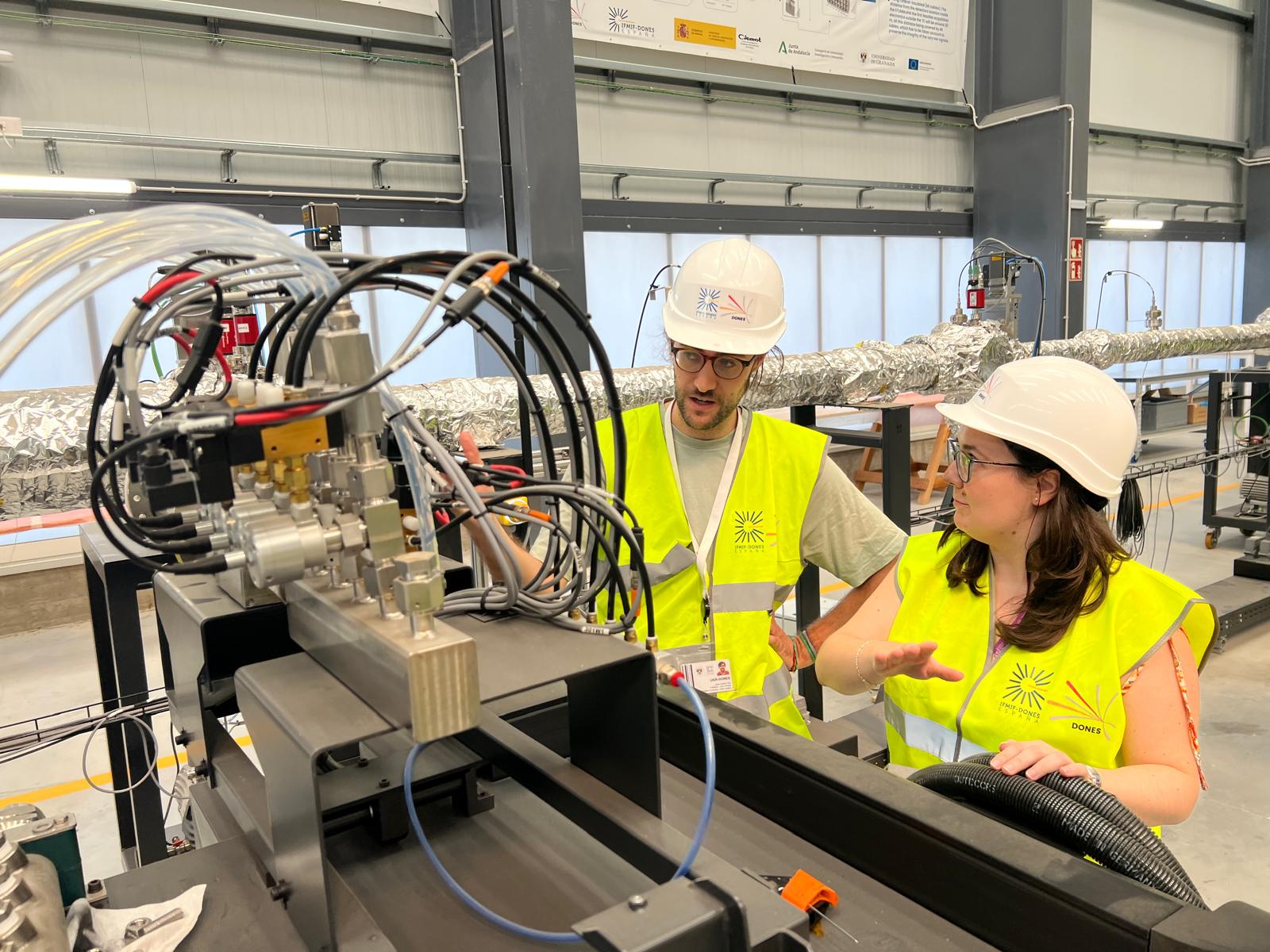
The OPTIMA-DONES project marks a major step forward in the application of innovation to large-scale scientific infrastructures through the development of a digital twin for the future IFMIF-DONES accelerator. This initiative will help ensure the safe, efficient, and proactive operation of its critical systems, positioning the facility as an international benchmark in intelligent maintenance.
OPTIMA-DONES aims to explore how predictive maintenance can be applied to a scientific infrastructure unlike any other in the world. To achieve this, the project integrates cutting-edge artificial intelligence technologies capable of simulating different operating scenarios and anticipating potential incidents before they occur.
One of the project’s key pillars is the creation of a digital twin of the accelerator—a virtual replica that will enable real-time monitoring of its performance and optimize its operation. This approach will support advanced maintenance management, reducing risks and improving the overall efficiency of the facility.
Maintenance operations will be led by the so-called “Operator 5.0”, a highly specialized professional supported by an artificial intelligence system designed specifically for IFMIF-DONES. This intelligent assistant, currently under development, will provide rapid and accurate access to critical information, supporting decision-making in complex environments. In addition, the system will incorporate robotic technologies, such as teleoperated robotic arms, to carry out high-precision tasks in irradiated areas.
As no comparable infrastructure exists anywhere in the world, the project also includes the development of a semantic AI system capable of learning from sensor data, operational information, and system responses. This tool will continuously evolve to deliver increasingly accurate support for future operation and maintenance needs.
OPTIMA-DONES brings together a multidisciplinary team of around fifty professionals working on the design of this “digital brain,” a key component in ensuring the long-term sustainability and performance of the infrastructure. The initiative combines scientific expertise, advanced engineering, and state-of-the-art digital solutions to address the unprecedented challenge of managing a one-of-a-kind research facility.
The project is being carried out by the IFMIF-DONES España Consortium in collaboration with the University of Granada, the University of Málaga, and companies including Sando, Quantia, CT, TD Transformación Digital, and SoftCrits Software for Critical Systems.