STAC holds its fourth meeting at the DONES Hub to further advance the development of IFMIF-DONES
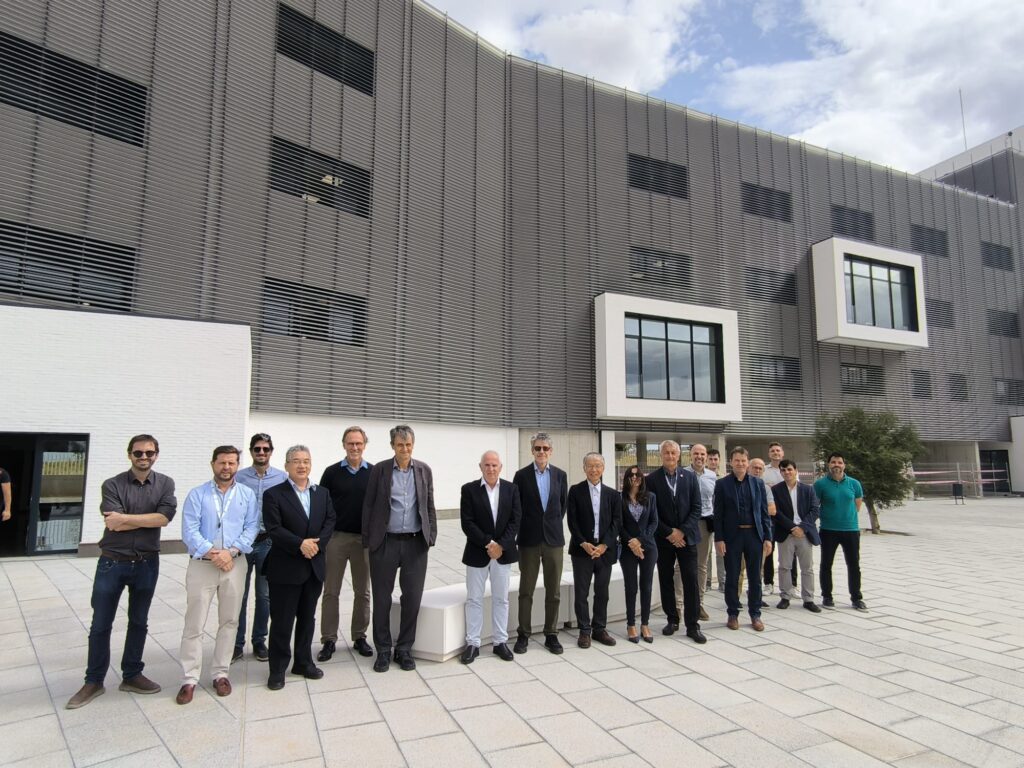
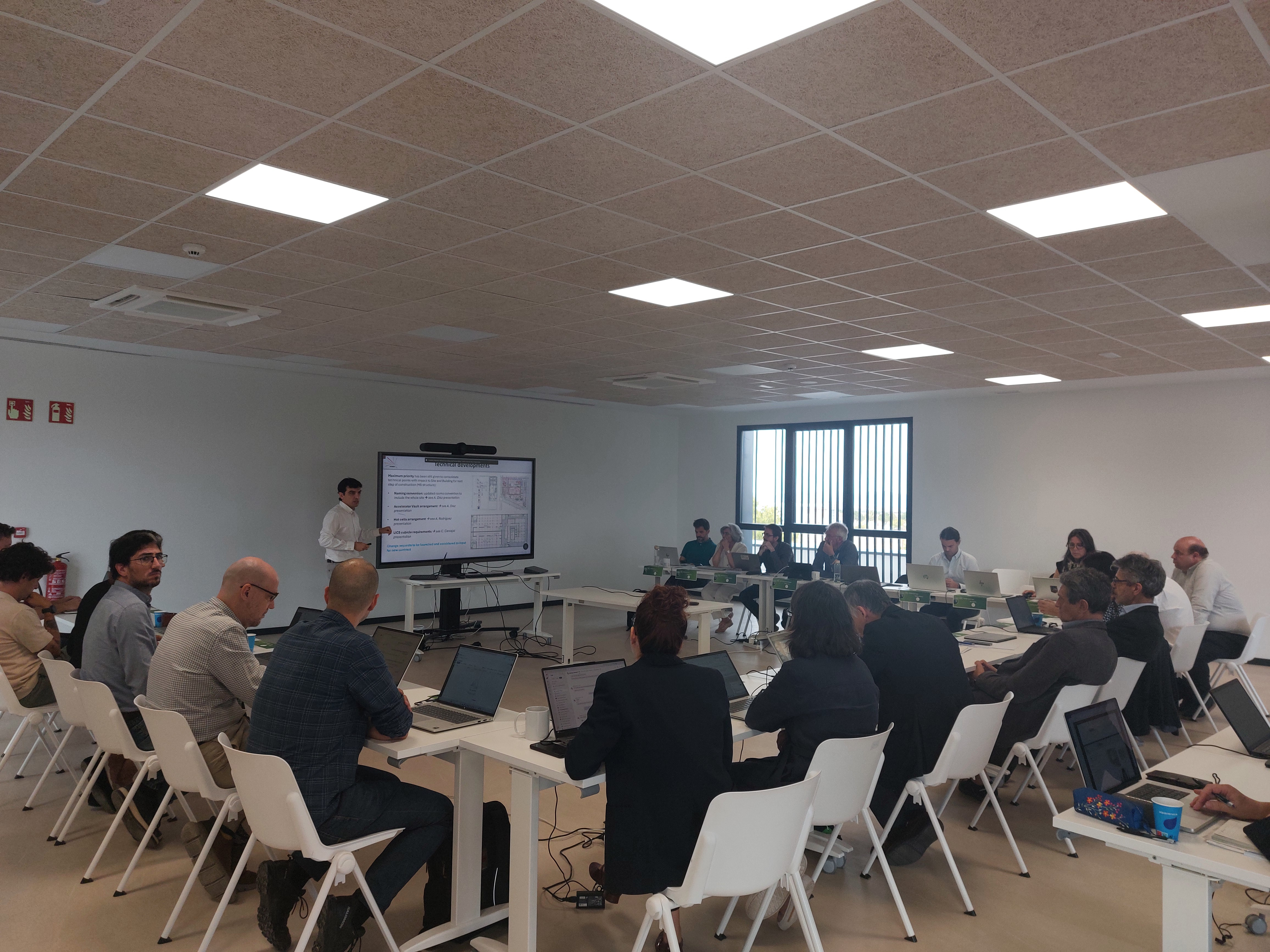
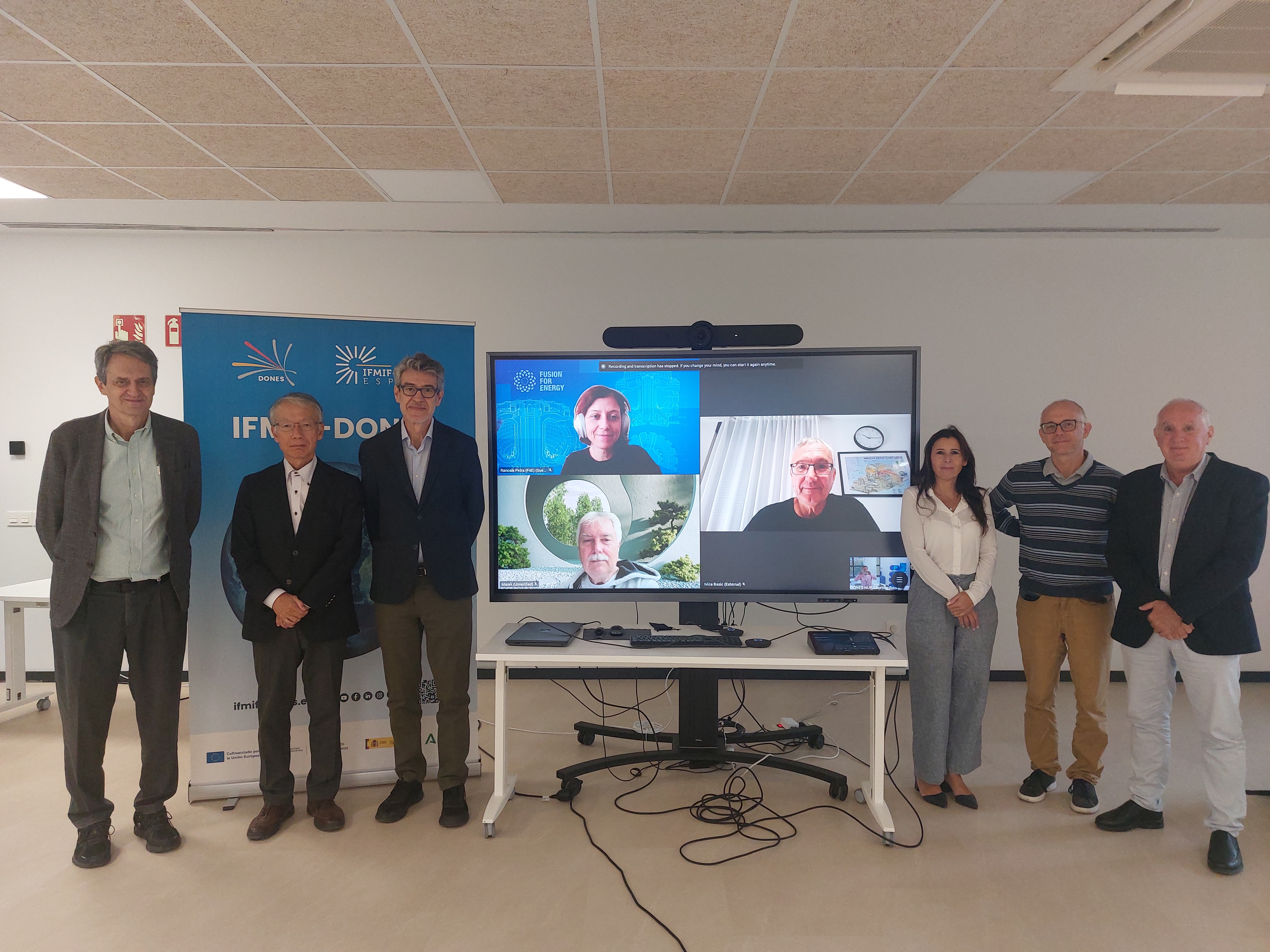
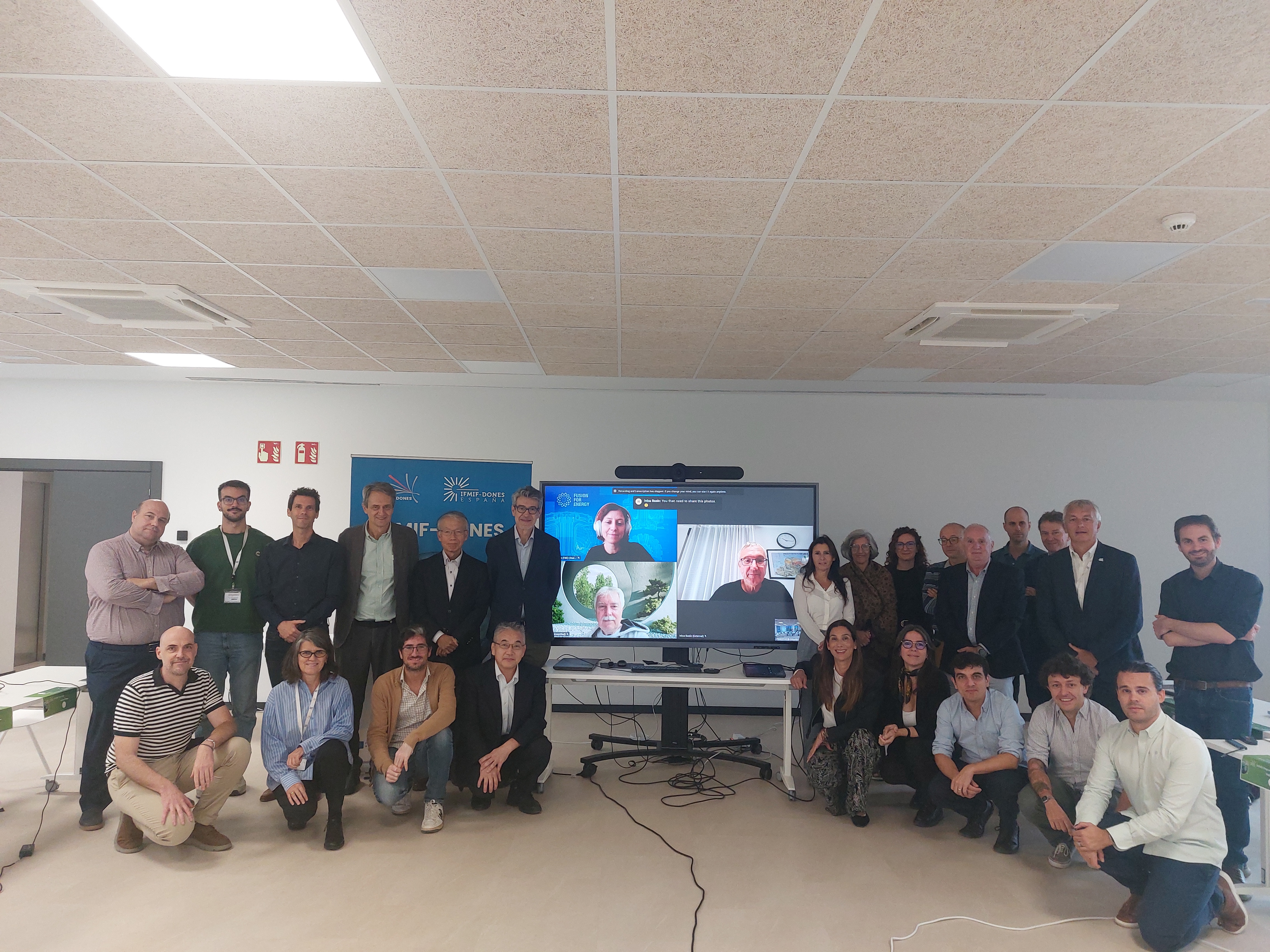
On 5 and 6 October, the DONES Hub, located at the IFMIF-DONES site in Escúzar (Granada, Spain), hosted the fourth meeting of the Scientific and Technical Advisory Committee (STAC), one of the project’s main international advisory bodies. Over two intensive days of discussions, the committee members reviewed the progress achieved by IFMIF-DONES and examined the scientific, technological and organisational challenges that will shape the next phases of the facility’s development.
The meeting was chaired by Joaquín Sánchez, Chair of the STAC, and brought together leading experts from some of the world’s most prominent scientific institutions: José Miguel Jiménez (CERN), Rosaria Vilari (ENEA), Pierluigi Campana (INFN), Takeo Muroga (QST), Marek Lewitowicz (GANIL), and Ivica Bašić (APOSS).
Throughout the different working sessions, the DONES Joint Team presented the current status of the project across its various areas, addressing strategic topics such as the evolution of the DONES Programme, planning and risk management, safety, project integration, accelerator systems, buildings and infrastructure, control systems, the coordination of In-Kind Contributions, and the development of the Scientific Plan.
The meeting provided an opportunity for open and constructive dialogue between the committee and the project team, fostering the exchange of knowledge, experience and perspectives. This collaborative environment proved particularly valuable for discussing approaches, sharing best practices and ensuring that ongoing activities remain aligned with the strategic objectives of IFMIF-DONES.
IFMIF-DONES would like to express its sincere gratitude to all STAC members for their commitment, dedication and continued support of the project. We also acknowledge the professionalism and hard work of the entire DONES Joint Team in preparing and conducting this meeting. The expertise, insight and recommendations provided by this international advisory committee represent an essential contribution to the construction of a world-unique scientific infrastructure that will play a key role in materials research for fusion energy and in supporting the future development of this clean and sustainable energy source.